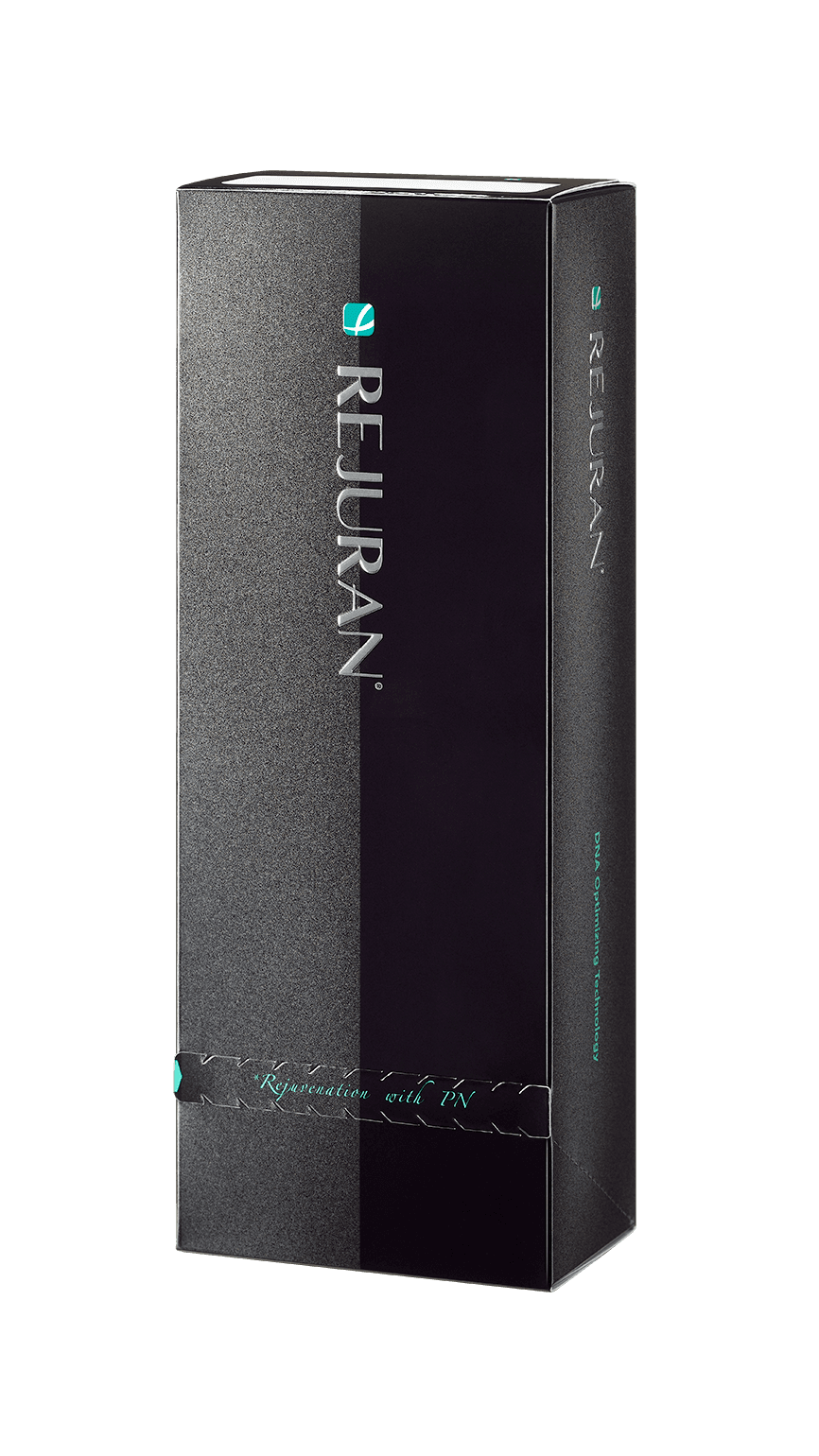
If you've started reading about slow aging, you've probably run into the phrase "skin booster" — and quickly noticed it covers very different things. Rejuran, Juvelook and Sculptra are often mentioned in the same breath, yet they're built from different materials and work in different ways. Understanding the basics helps you have a much more useful conversation in consultation.
A quick note before we start: this is educational. It is not a recommendation, and it is not a substitute for an in-person assessment. Which approach suits you — if any — is something only a doctor can judge after looking at your skin.
What "skin booster" actually means
Unlike a filler that adds volume to a specific spot, skin boosters are designed to improve the quality of the skin itself — its hydration, elasticity and texture — usually by supporting the skin's own regenerative processes. They tend to be delivered as a series of small injections across an area, and their effects build gradually rather than appearing instantly. That gradual, supportive character is exactly why they sit so naturally within a slow-aging approach.
Rejuran (PN)
Rejuran is based on polynucleotides (PN), fragments derived from DNA. Rather than filling or lifting, its purpose is to support the skin's condition and resilience from within. Because it works with the skin's own biology, it's often discussed in the context of overall skin quality — texture, suppleness and a well-rested look — and is typically approached as a course of sessions over time.
Juvelook (PDLLA)
Juvelook is a PDLLA (poly-D,L-lactic acid) based product. PDLLA is a biocompatible material that the body gradually breaks down, and it's associated with a collagen-stimulating mechanism — the idea being to encourage the skin to support itself rather than to add material that simply sits there. Like other stimulatory approaches, its character is gradual, which is part of its appeal for people who want change to arrive quietly.
Sculptra (PLLA)
Sculptra uses PLLA (poly-L-lactic acid), a well-established biostimulatory material. Rather than acting as a filler, it works over a series of treatments to encourage the skin's own collagen framework. Because the mechanism is gradual and cumulative, it's usually planned as a course spaced out over weeks or months, with the picture developing over time rather than all at once.
The simplest way to hold the difference
- Rejuran — PN. Derived from DNA fragments; associated with supporting overall skin condition.
- Juvelook — PDLLA. A biocompatible material associated with a collagen-stimulating mechanism.
- Sculptra — PLLA. A long-established biostimulator, typically planned as a gradual course.
What they share matters as much as what separates them: none is a one-and-done, instant fix. All three reward patience and a plan.
Why the choice is a conversation, not a checkout
Materials only tell you so much. The right approach depends on your skin's current condition, your goals and how your face is changing — which is why none of this should be chosen from an article. At Beauty Story, consultations run one patient per hour so Dr. Seo can assess your skin properly and design something around it, with Chinese-language support available for international patients.
If you're curious whether a skin-booster approach fits your slow-aging goals, book a consultation. We'll look at your skin first and talk through what — if anything — actually makes sense for you.